Beige Shabby Chic Wedding Patterns: A Practical Guide to Elevating Your Event Design
Planning a wedding is an exercise in balancing aesthetics with logistics, and few design themes offer the timeless elegance of beige shabby chic wedding patterns. This style has endured for decades because it strikes a perfect balance between rustic warmth and refined sophistication. However, while the visual appeal is undeniable, sourcing and implementing high-quality digital assets can be tricky if you do not know what to look for. Many couples and planners make costly mistakes by choosing low-resolution files or ignoring technical specifications, leading to blurry prints and frustrated vendors.
This guide aims to help you navigate the process of selecting, downloading, and using these patterns effectively. Whether you are a professional designer creating mockups for clients or a DIY enthusiast crafting your own invitations, understanding the technical nuances of digital pattern files will save you time, money, and stress.
Understanding the Appeal of Beige Shabby Chic
The "shabby chic" aesthetic originated from the idea of vintage charm—think distressed wood, lace overlays, faded florals, and soft textures. When this style is rendered in beige tones, it creates a neutral, calming backdrop that allows other elements of the wedding, such as greenery, gold accents, or bold floral arrangements, to shine without clashing. It is versatile enough for a barn wedding, a garden ceremony, or a boutique hotel reception.
For creators and entrepreneurs, offering or utilizing beige shabby chic wedding patterns opens up a wide range of applications:
- Stationery Suites: Invitations, RSVP cards, menus, and place cards.
- Decor Elements: Backdrops, banner flags, cake toppers, and favor tags.
- Digital Assets: Social media graphics for wedding announcements or blog headers for wedding planners.
The key to success lies in the quality of the source material. A beautiful design concept can be ruined by poor file resolution, making the final product look amateurish rather than artisanal.
Common Mistakes When Sourcing Digital Patterns
One of the most frequent errors seen in the market is prioritizing price over technical specifications. You may find numerous listings for cheap pattern packs, but they often lack the necessary details to ensure professional results. Here are the critical factors you must evaluate before purchasing or downloading any digital asset.
Resolution and Print Quality
If you intend to print your designs, resolution is non-negotiable. The industry standard for high-quality printing is 300 DPI (dots per inch). Files exported at 72 DPI, which is common for web use, will appear pixelated and blurry when printed, especially on larger formats like banners or table runners. Always verify that the file description explicitly states "300 DPI" or "High Resolution."
Consider this scenario: A couple downloads a free pattern pack for their invitation suite. They design a beautiful layout in Canva or Photoshop, only to send it to the printer. The printer rejects the files because the images are too low resolution, forcing the couple to pay rush fees for a new print run or settle for a subpar product. Avoid this by sticking to premium sources that guarantee print-ready quality.
File Dimensions and Aspect Ratio
Another overlooked detail is the physical dimensions of the digital file. Standard scrapbooking and many graphic design templates utilize a 12×12 inches square format. This size is convenient because it aligns with most cutting machines (like Cricut or Silhouette) and standard paper sizes used by printers. If you download a pattern that is not tiled correctly or does not adhere to this standard aspect ratio, you may spend hours manually adjusting the canvas in your software, introducing distortion or awkward white borders in the process.
Lack of Variety and Uniqueness
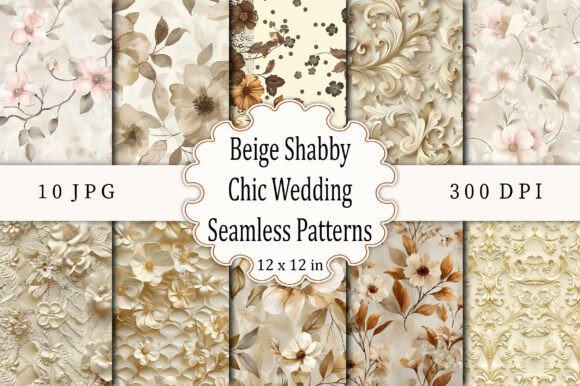
Some sellers offer packs where all the patterns look nearly identical, just with slight color shifts. For a cohesive wedding theme, you want variety that still feels unified. Look for packs that include different motifs—such as subtle damask, delicate lace textures, watercolor florals, and geometric hints—all within the beige spectrum. Having 10 unique JPG files, for example, provides enough versatility to mix and match different elements across your stationery suite without repeating the same texture twice.
What to Expect from a High-Quality Pattern Pack
When you invest in a well-curated set of beige shabby chic wedding patterns, you should receive a package that is ready to use immediately. Here is a checklist of what defines a premium digital product:
- Multiple Formats: While JPG is standard for general use, some advanced users prefer PNG for transparency or vector files (EPS/AI) for scalability. However, for most wedding planning needs, high-quality JPGs are sufficient and easier to work with in basic design tools.
- Consistent Color Palettes: Ensure all patterns share similar undertones. Beige can range from warm ivory to cool taupe. Mixing these inconsistently can create a disjointed look. A good pack will maintain a harmonious palette throughout.
- Seamless Tiling: If you plan to use the pattern as a background for large areas, check if the image tiles seamlessly. Poorly tiled patterns will show visible grid lines or breaks when scaled up, ruining the illusion of a continuous fabric or wallpaper.
- Clear Licensing: Always read the terms of use. Most personal-use licenses allow you to create items for your own wedding or gifts, but commercial licenses are required if you plan to sell products made with these patterns (e.g., selling custom invites to other brides). Ensure the seller clarifies this distinction.
Practical Tips for Implementation
Once you have secured your high-resolution, 12×12 inch, 300 DPI pattern files, how do you use them effectively? Here are some practical approaches to integrating these designs into your wedding vision.
Layering for Depth
Shabby chic is all about texture. Do not rely on a single flat pattern for your entire design. Instead, layer a subtle beige damask pattern as a background, then overlay a solid cream-colored text box for readability. Add a delicate lace border around the edge of the invitation. This layering technique adds depth and makes the design feel more tactile and expensive, even though it is purely digital until print.
Color Harmony
Since beige is a neutral base, it pairs beautifully with almost any accent color. For a modern twist, pair your beige patterns with sage green eucalyptus imagery or dusty rose florals. For a classic look, stick to monochromatic shades of cream, tan, and brown. Use your pattern files to test these combinations digitally before committing to physical samples. Most design software allows you to adjust opacity and blend modes to see how the pattern interacts with text and photos.
Vendor Communication
When sending files to your printer, always communicate clearly. Provide them with the specific DPI and dimensions of your files. If you are using a local print shop, ask if they require PDF/X-1a format for best results, which embeds the fonts and images properly. Sending raw JPGs can sometimes lead to font substitution issues if the printer’s computer does not have the same fonts installed as yours.
Evaluating Your Choices Before You Buy
Before clicking "buy" or "download," take a moment to review the seller’s portfolio. Do their other designs match the quality of the pattern pack? Read reviews specifically mentioning print quality. Did previous buyers report pixelation? Was the file easy to unzip and open? These small details matter significantly in the creative industry.
Furthermore, consider your skill level. If you are a beginner, look for tutorials or guides that come with the pattern pack. Some sellers provide step-by-step instructions on how to set up your document settings in Photoshop or Illustrator to avoid common pitfalls like color mode errors (RGB vs. CMYK). Remember, RGB is for screens, and CMYK is for print. Converting your files incorrectly can result in colors looking dull or washed out in the final print. A good resource will warn you about this or provide pre-converted files.
Conclusion
Creating a memorable wedding experience involves attention to detail, down to the pixels on your screen. By choosing high-quality beige shabby chic wedding patterns that meet professional standards—specifically 300 DPI, 12×12 inches, and seamless tiling—you ensure that your vision translates perfectly from digital mockup to physical reality. Avoid the temptation of low-cost, low-quality alternatives that can compromise the integrity of your event branding. With the right assets and a bit of careful planning, you can achieve a sophisticated, cohesive look that reflects your personal style and stands the test of time.
Thank you for exploring this guide. Follow for more insights on design, planning, and creating beautiful, functional content for your special events.