Watercolor Floral Butterfly Patterns
There is a distinct charm in combining the organic softness of watercolor art with the delicate symmetry of butterflies and flowers. This aesthetic has transcended mere decoration to become a staple in digital design, crafting, and personal branding. When you encounter Watercolor Floral Butterfly Patterns, you are not just looking at pretty images; you are looking at a versatile design asset that bridges the gap between traditional artistic expression and modern digital convenience.
For creators, small business owners, and hobbyists alike, the ability to incorporate high-quality, cohesive patterns into projects can elevate the perceived value of any output. Whether you are designing a wedding invitation suite, wrapping a unique gift for a loved one, or creating social media graphics for a boutique brand, these patterns offer a ready-made solution that saves time while maintaining an artisanal look. The following guide explores what makes this specific style so valuable, how it is packaged for ease of use, and where it fits best in your creative workflow.
The Aesthetic Appeal and Core Characteristics
At its heart, the appeal of watercolor floral butterfly designs lies in their texture and color palette. Unlike vector graphics, which often feel sharp and geometric, watercolor styles mimic the unpredictable bleeding of pigments on paper. This creates a sense of movement and life. When butterflies are integrated into these floral arrangements, they add a focal point that draws the eye without overwhelming the composition.
Key characteristics include:
- Soft Edges: The blurred boundaries of petals and wings create a dreamy, romantic atmosphere.
- Natural Color Palettes: These patterns typically utilize muted pastels, earth tones, or vibrant yet harmonious spring-like hues.
- Organic Composition: Elements are arranged to look naturally scattered rather than rigidly aligned, adding to the handcrafted feel.
When you apply Watercolor Floral Butterfly Patterns to a project, you instantly inject a sense of warmth and approachability. This is particularly effective for businesses in the wellness, beauty, fashion, and lifestyle sectors, where trust and aesthetic pleasure are paramount.
What’s Included: Understanding the Digital Package
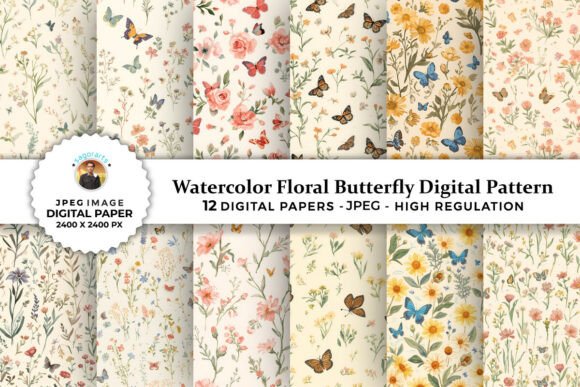
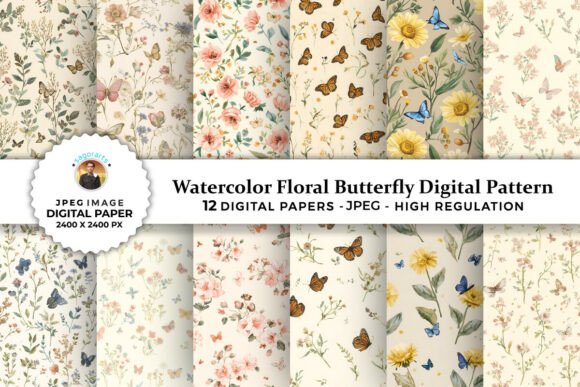
In the realm of digital assets, clarity regarding file specifications is crucial for ensuring compatibility with your preferred software. A typical premium package for this type of content is designed to be comprehensive and user-friendly. For instance, a standard offering might provide 12 Digital Papers within 1 zip file. This bundling allows for consistency across multiple pages or elements of a single project, such as matching a cover design with interior pages.
Each pattern is delivered in High-Resolution JPEG File format. Why does this matter? JPEGs are universally supported by almost all graphic design software, from Adobe Photoshop and Illustrator to Canva and Microsoft PowerPoint. They ensure that your designs open quickly and render correctly across different devices.
The resolution is another critical factor. Files sized at 2400 x 2400 pixels strike a balance between quality and manageability. While some ultra-high-res files can be cumbersome to handle on older computers, 2400 pixels square provides ample detail for most print and web applications. It ensures that when you zoom in, the watercolor textures remain crisp and do not pixelate, preserving the integrity of the artistic intent.
Practical Applications Across Industries
The versatility of these patterns means they can be utilized in a wide array of contexts. Below, we explore specific scenarios where Watercolor Floral Butterfly Patterns shine.
Gift Wrapping and Packaging
In the age of unboxing experiences, presentation is everything. Using these patterns for custom gift wrap adds a layer of sophistication that store-bought paper cannot match. Small business owners selling handmade goods, candles, or jewelry can print these patterns on kraft paper or matte cardstock to create branded packaging. The natural theme aligns perfectly with eco-friendly or artisanal product lines.
Greeting Cards and Stationery
Personal connection is at the core of greeting cards. A watercolor butterfly motif suggests gentleness and celebration. These patterns are ideal for:
- Birthday Cards: Adding a festive yet elegant touch.
- Thank You Notes: Conveying gratitude with a soft, appreciative aesthetic.
- Holiday Cards: Adapting to seasonal themes by choosing specific color variations (e.g., pastel pinks for spring, deeper reds and greens for winter).
Event Invitations
Weddings, baby showers, and garden parties benefit immensely from this visual language. Designers can use the patterns as full backgrounds or as subtle overlays behind text. The organic shapes allow text to remain legible if contrasted properly, making them functional as well as decorative.
Digital and Physical Crafts
For scrapbookers and craft enthusiasts, these digital papers are a goldmine. They can be printed at home to create custom layouts, journal covers, or embellishments. Furthermore, they are perfect for Tumbler Wraps. If you own a Cricut or Silhouette machine, you can cut these patterns out of vinyl or transfer them using sublimation ink onto stainless steel tumblers. The high resolution ensures the design looks professional even when scaled up on a curved surface.
Social Media and Web Backgrounds
Content creators need visually appealing backdrops to make their posts stand out. Using these patterns as background layers for Instagram stories, Pinterest pins, or website headers can unify a brand’s visual identity. The repetitive nature of the patterns allows for seamless tiling, creating endless background possibilities.
Evaluating Suitability and Limitations
While Watercolor Floral Butterfly Patterns are highly adaptable, it is important to understand their limitations to avoid misuse. Because the style is inherently soft and detailed, it may not suit brands seeking a bold, industrial, or minimalist aesthetic. If your brand identity relies on stark contrasts, sharp lines, and monochromatic schemes, these floral patterns might clash rather than complement.
Additionally, consider the printing process. Watercolor effects rely heavily on subtle tonal shifts. Printing on low-quality paper or using inexpensive inkjet printers may result in muddy colors or loss of detail. To get the best results, always test print a small section before committing to a large batch. Similarly, when using these files for tumbler wraps, ensure your printer supports the necessary color gamut to reproduce the delicate blues, purples, and yellows accurately.
How to Choose the Right Pattern Set
Not all digital pattern packs are created equal. When evaluating a collection of Watercolor Floral Butterfly Patterns, consider the following criteria:
- Cohesion: Do the 12 patterns share a consistent style? A good set will have variations in layout but maintain the same artistic "voice" in terms of brush strokes and color harmony.
- Resolution Accuracy: Verify that the advertised dimensions (like 2400 x 2400 pixels) are genuine. Low-resolution files stretched to fit large prints will appear blurry.
- File Format Flexibility: Ensure the files are provided in standard formats like JPEG or PNG. Some creators also offer layered PSD files, which can be beneficial for advanced users who want to tweak individual elements.
- Licensing Terms: Always check the license agreement. Most digital papers allow for personal use and limited commercial use (such as selling physical products you made), but rarely permit reselling the digital files themselves. Understanding these rights protects you from legal issues.
Conclusion
Incorporating Watercolor Floral Butterfly Patterns into your projects offers a blend of artistic elegance and practical utility. Whether you are a professional designer looking to speed up your workflow or a hobbyist wanting to add a personal touch to your gifts, these patterns provide a reliable foundation for creativity. By understanding their characteristics, proper applications, and technical requirements, you can maximize their potential and create designs that resonate with your audience. The key lies in thoughtful integration—using these beautiful motifs to enhance, rather than distract from, your core message.