Blue Gingham Plaid Tartan Patterns
In the landscape of digital design and creative production, texture and pattern are not merely decorative afterthoughts; they are foundational elements that define brand identity, user interface aesthetics, and print quality. Among the vast array of available textures, Blue Gingham Plaid Tartan Patterns occupy a unique niche. They bridge the gap between traditional textile heritage and modern digital minimalism. For professionals ranging from graphic designers and web developers to small business owners and content creators, integrating high-quality plaid assets requires more than just downloading an image. It demands an understanding of resolution, file structure, and workflow integration.
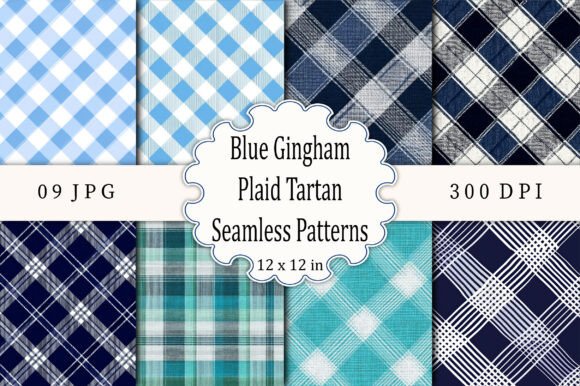
This article explores how to effectively utilize Blue Gingham Plaid Tartan Patterns within professional workflows, focusing on the practical aspects of acquisition, preparation, and application. We will examine the specific value of receiving nine unique JPG files at 12×12 inches and 300 DPI, and how these specifications impact the final output across various mediums.
Understanding the Asset: Resolution and Format
The technical specifications of a digital asset often dictate its viability in a professional project. When sourcing patterns for commercial or high-stakes personal use, the distinction between screen-optimized graphics and print-ready textures is critical. The Blue Gingham Plaid Tartan Patterns described here come with specific attributes that cater to both digital and physical outputs.
- High-Resolution 300 DPI: This dots-per-inch metric is the industry standard for print media. Whether you are designing packaging for a retail product, creating marketing collateral like brochures or business cards, or preparing materials for large-format printing, 300 DPI ensures that the intricate details of the gingham weave remain sharp and do not pixelate when scaled or viewed up close. For digital-only projects, this high resolution provides a safety net, allowing designers to crop or zoom into the pattern without losing clarity, which is essential for responsive web design where images may be displayed on high-density (Retina) screens.
- 12×12 Inches Dimensions: This square format is versatile. It serves as an excellent tileable unit for background creation in software like Adobe Photoshop or Illustrator. Because it is a manageable size, it allows for quick rendering during the prototyping phase while still offering enough surface area to capture the complexity of the tartan weave. Designers can easily repeat this 12×12 inch block to create seamless backgrounds for websites, social media headers, or presentation slides.
- JPG File Format: While vector formats (like SVG or AI) are preferred for infinite scalability, JPGs offer universal compatibility. They load quickly in web browsers and are supported by almost all design and publishing platforms. For users who need immediate implementation without complex vector editing, the JPG format provides a straightforward path to integration.
Workflow Integration: From Concept to Execution
Integrating a specific aesthetic like Blue Gingham Plaid Tartan Patterns into a broader project requires strategic planning. The blue hue, typically associated with trust, stability, and calmness, pairs well with corporate branding, educational materials, and lifestyle products. Here is how this asset fits into different stages of a creative workflow.
Pre-Production and Mood Boarding
Before diving into detailed design, establishing a visual direction is crucial. The nine unique variations of the Blue Gingham Plaid Tartan Patterns provide ample opportunity for A/B testing during the mood boarding phase. Instead of settling on a single look, creators can experiment with subtle differences in scale, contrast, and line weight among the nine files. This variety allows teams to present multiple options to stakeholders, facilitating a data-driven decision on which variation best aligns with the project’s tone. For educators and bloggers, these patterns can serve as engaging visual anchors in course materials or blog post headers, breaking up text-heavy content with recognizable, comforting imagery.
Digital Implementation
In the realm of web design and UI/UX, patterns are used sparingly but effectively. A full-screen gingham background can be overwhelming if not handled correctly. The recommended workflow involves using the 12×12 inch tiles to create a repeating CSS background or a lightweight PNG overlay. By applying opacity layers or blending modes in Photoshop, designers can integrate the tartan pattern behind primary content areas, adding depth without compromising readability. The high resolution ensures that even when tiled, the seams are virtually invisible, maintaining a polished, professional appearance.
For marketers creating social media assets, these patterns offer a quick way to establish brand consistency. Templates built around the Blue Gingham Plaid Tartan Patterns can be rapidly customized with text overlays and product photos. The structured nature of the plaid provides a stable visual foundation that makes foreground elements pop, enhancing the overall composition.
Print Production and Physical Goods
One of the most lucrative applications for these assets lies in print-on-demand services and physical merchandise. Small business owners selling stationery, fabric swatches, or branded apparel can leverage these high-DPI files to ensure their products meet customer expectations. The 300 DPI specification means that when these patterns are printed on paper, fabric, or packaging, the result is crisp and vibrant. Entrepreneurs should note that while JPGs are compatible, converting them to CMYK color profiles before sending to a printer is a necessary step to prevent color shifts, ensuring the blue tones remain true to the original digital vision.
Optimizing for Efficiency and Consistency
Managing multiple creative assets can lead to disorganization, which bottlenecks productivity. With nine unique files, having a robust naming convention and folder structure is essential. Professionals should categorize these patterns by usage—such as "Backgrounds," "Textures," or "Accents"—to streamline future searches. This organizational habit reduces time spent hunting for resources, allowing more focus on execution.
Furthermore, consistency is key to building a recognizable brand identity. Once a specific variation of the Blue Gingham Plaid Tartan Pattern is chosen, it should be documented in your brand guidelines. Define the allowed scales, color overlays, and pairing colors. This documentation prevents ad-hoc decisions that might dilute the brand’s visual coherence over time. For freelancers and agencies, this approach also simplifies client handovers, as the rationale behind the visual choices is clear and reproducible.
Quality Control and Long-Term Use
When incorporating third-party artwork into long-term projects, verifying the source and license is part of the due diligence process. Assuming the provided artwork comes with appropriate commercial licensing, users should archive the original 300 DPI files securely. Over time, working with compressed or lower-resolution copies can degrade quality, especially if the asset needs to be repurposed for larger formats years later. Keeping the master files intact ensures that the Blue Gingham Plaid Tartan Patterns remain a viable resource throughout the lifecycle of a brand or campaign.
Additionally, consider the versatility of the blue palette. As trends shift, the specific shade of blue may need to be adjusted to match new seasonal palettes. Because the pattern is based on a classic gingham structure, minor color tweaks can refresh the look without altering the underlying design integrity. This adaptability extends the useful life of the asset, providing a cost-effective solution for ongoing design needs.
Conclusion
The effective use of Blue Gingham Plaid Tartan Patterns goes beyond simple aesthetic preference. It involves a deliberate selection of high-quality assets that support both digital and print workflows. By leveraging the 12×12 inch, 300 DPI JPG files, creators can achieve professional results that are consistent, scalable, and visually engaging. Whether you are a marketer crafting a campaign, an educator designing courseware, or an entrepreneur launching a product line, integrating these patterns with a clear strategy enhances the overall quality of your output. Prioritize organization, respect technical specifications, and maintain consistency to maximize the value of this versatile design resource.